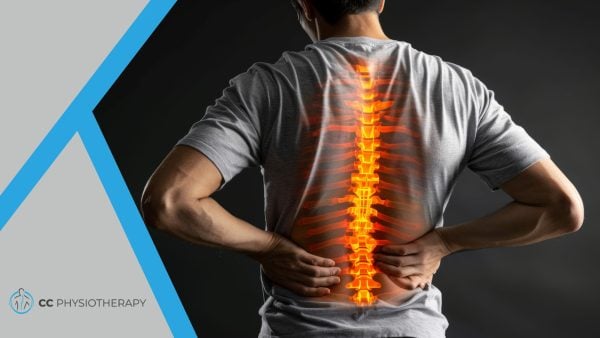
Muscle strains are one of the most common soft tissue injuries affecting people across different age groups. These injuries occur when muscle fibers or the tendons connected to them stretch too far or tear due to excessive stress. Strains often develop during exercise, while playing sports, lifting weights, or even during simple daily movement. Many adults and children experience muscle strain at some point in life because muscles are constantly involved in body movement and physical activity.
A muscle strain may range from mild discomfort to severe pain, depending on the extent of the tissue damage. Minor injuries usually cause temporary soreness and tenderness, while severe strains can limit movement and reduce muscle strength. Early care and proper recovery steps allow the damaged tissue to heal effectively and help people return to normal activity without long-term complications.
What Are Muscle Strains Causes
Muscle strains happen when the muscle tissue experiences stress that exceeds its normal capacity. Sudden forceful movement during sport or exercise is one of the most common causes. Rapid changes in direction, jumping, running, or lifting heavy weights can stretch muscle fibers beyond their limit. These movements are especially common in contact sports and activities that require explosive strength.
Another frequent cause involves overuse of muscles during repetitive movement. When the same muscle group is used continuously without enough rest, the tissue becomes fatigued and more vulnerable to injury. Lack of proper warm-up before exercise also increases injury risk because muscles are less flexible when they are cold.
Poor physical conditioning can also increase the likelihood of muscle strain. Weak muscles struggle to handle physical stress, which raises the chance of small tears forming in the tissue. Poor posture, improper lifting technique, and limited mobility around joints may place uneven pressure on certain muscles, increasing the risk of strain.
Muscle Strain and Pulled Muscle Explained
A muscle strain is often described as a pulled muscle because the injury usually occurs when the muscle stretches too far during sudden movement. Minor strains involve small tears in muscle fibers and may cause mild pain and tenderness. Moderate strains cause more noticeable swelling, bruising, and weakness in the affected area.
Severe strains can lead to a torn muscle, which means a larger portion of the muscle tissue has separated. This type of injury can significantly affect movement and may change the shape of the muscle. Individuals sometimes feel a sudden popping sensation at the moment of injury. Severe cases may require professional care and a longer recovery period.
Chronic muscle strains may develop if an injury does not receive proper treatment. Repeated stress on an already weakened muscle can prevent healing and create long-lasting pain or weakness. Proper muscle strain rehabilitation can help restore muscle strength, improve movement, and reduce the risk of recurring injury.
Symptoms of Muscle Strain
Symptoms of muscle strain depend on the severity of the injury. Mild strains usually produce slight pain, stiffness, and tenderness in the affected area. People may still be able to move the muscle normally, although discomfort may appear during activity.
Moderate strains often produce swelling, bruising, and limited movement. The injured muscle may feel weak and painful during normal tasks such as walking, lifting, or bending. The surrounding joints may also feel stiff because the body attempts to protect the injured area.
Severe strains may cause intense pain and noticeable swelling. Bruising may spread across the skin as damaged blood vessels release blood into the surrounding tissue. Some people experience tingling or numbness if nearby nerves are irritated. A torn muscle may produce a visible change in shape or prevent normal movement entirely.
Pain that continues to worsen or symptoms that do not improve after several days should be evaluated by a doctor. Earlong-termelps prevent long-term complications and support faster healing.
Diagnosis and Medical Evaluation
Diagnosis of muscle strain usually begins with a physical examination by a healthcare professional. Doctors evaluate the injured area by checking for swelling, bruising, tenderness, and reduced muscle strength. They also examine the range of motion in nearby joints to determine how the injury affects movement.
The doctor may ask questions about the activity that caused the injury. Details about exercise routines, sport participation, or lifting activities help identify the underlying cause. In many cases this information is enough to confirm a muscle strain.
More severe injuries may require imaging tests such as ultrasound or magnetic resonance imaging. These tests allow doctors to observe muscle tissue in greater detail and determine whether a torn muscle or other soft tissue injuries are present. Accurate diagnosis allows the healthcare provider to recommend the most effective treatment plan.
Best Treatment for Muscle Strains
Treatment depends on the severity of the strain and the level of pain experienced by the patient. Mild injuries can often be treated at home with rest and simple care during the first few days. Resting the injured muscle prevents additional stress and allows the tissue to begin healing.
Applying an ice pack to the injured area helps reduce swelling and pain. Ice should be used for short intervals several times a day during the early stage of recovery. Compression using supportive bandages may also help control swelling and provide stability to the injured muscle.
Elevating the affected area can improve circulation and reduce fluid buildup in the tissue. Pain relief medications may be recommended to reduce discomfort and inflammation. Af,ter the first few days gentle stretching and movement may help maintain joint flexibility and prevent stiffness.
More severe strains may require professional rehabilitation. Guided therapy programs help rebuild muscle strength, restore flexibility, and support a safe return to exercise or sport. Expert services provided by CC Physiotherapy help individuals recover through structured rehabilitation, targeted exercise programs, and movement education that support safe healing.
In rare cases when a torn muscle is severe, surgery may be required to repair the damaged tissue. Surgical treatment is followed by rehabilitation that focuses on restoring muscle function and strength.
Why Mobility Training Is Important
Mobility training plays a key role in protecting muscles and reducing injury risk. Mobility work focuses on improving the ability of joints and muscles to move freely through their full range. When mobility is limited, muscles may compensate by taking on additional stress during movement.
Improving mobility helps distribute stress evenly across the body. Flexible muscles and healthy joints allow smoother movement and reduce strain on surrounding tissue. Mobility exercises are particularly important for people who participate in sports or perform repetitive physical tasks.
Most people benefit from regular mobility training because modern lifestyles often involve long periods of sitting. Limited movement can create stiffness in the hips, shoulders, and lower back. Over time, this stiffness increases the risk of muscle strain when sudden movement occurs.
Mobility Exercises and Dynamic Stretching
Mobility exercises help improve flexibility and prepare muscles for physical activity. Dynamic stretching is often used during warm-up routines because it gradually increases muscle temperature and improves circulation. Movements such as shoulder circles, controlled leg swings, and gentle twisting help activate muscles before exercise.
Dynamic stretching prepares the body for resistance training and strength training by improving coordination and joint movement. These exercises are considered a key part of injury prevention programs used by athletes and fitness professionals.
Shoulder circles are an example of a simple mobility exercise that helps improve movement in the upper body. Similar exercises for the hips, knees, and ankles support full-body mobility and help prevent injuries related to tight muscles.
Prevent Muscle Strains Through Proper Preparation
Prevent muscle strains by preparing the body before intense activity. A proper warm-up is a key part of any exercise routine because it prepares muscles for movement. Warm-up activities may include light aerobic exercise followed by dynamic stretching and mobility work.
Strength training and resistance training also support injury prevention by improving muscle strength and stability around joints. Strong muscles handle physical stress more effectively and reduce the likelihood of tears.
Fitness programs that include balanced training for different muscle groups help maintain proper body alignment. Gradual progression of exercise intensity allows muscles to adapt safely to increased workload. Rest days between workouts give the body time to recover and repair muscle tissue.
Hydration and balanced nutrition also support muscle health. Adequate protein intake supports tissue repair while vitamins and minerals contribute to overall muscle function. Maintaining a healthy body weight reduces excess stress placed on muscles and joints.
Recovery and Returning to Normal Activity
Recovery from muscle strain varies depending on the severity of the injury. Mild strains may heal within a few weeks, while moderate injuries may require several weeks of care and rehabilitation. Severe strains or torn muscles often require a longer recovery period.
Gradual return to movement helps restore normal muscle function. Gentle stretching and strengthening exercises rebuild muscle strength while improving flexibility. Monitoring symptoms during recovery is important because pain that worsens may indicate incomplete healing.
Professional rehabilitation programs guide individuals through safe recovery stages. These programs help restore strength, coordination, and confidence in movement so that patients can safely return to exercise, sport, or daily activities.
Conclusion
Muscle strains are common injuries that affect muscles throughout the body. They occur when muscle fibers stretch too far or tear due to excessive stress during movement. Understanding what muscle strains are, their causes, symptoms, and treatment options helps individuals respond quickly and protect their health.
Most strains heal successfully with rest, ice, compression, and gradual return to activity. Severe injuries may require professional care and rehabilitation to restore full muscle strength. Prevention strategies such as proper warm-up, mobility exercises, strength training, and balanced fitness routines significantly reduce injury risk.
Awareness of early symptoms and prompt treatment allows damaged tissue to heal properly. By maintaining healthy movement habits and following safe exercise practices, individuals can prevent muscle strains and support long-term muscle health, mobility, and quality of life.