Many people experience hip pain without realizing that Foot Injuries Rehab may be the root cause. The human body functions as a connected system where abnormalities in one area often trigger a chain reaction affecting other joints. Chronic foot problems can gradually lead to discomfort in the hip joint, knees, and even the lower back. Understanding how the foot functions impacts the entire body is essential for preventing ongoing pain and maintaining well-being.
Foot conditions such as flat feet or high arches can alter movement patterns, causing uneven weight distribution and abnormal joint alignment. When one foot is not functioning correctly, stress transfers upward, affecting the hips, knees, and spine. This ripple effect often leads to muscle strain, soft tissue irritation, and discomfort in joints that were initially healthy.
How Foot Pain Affects the Hip Joint
Abnormal foot alignment can create hip misalignment over time, which is why foot injuries rehab plays a crucial role in overall body mechanics. Flat feet often cause overpronation, leading to inward rotation of the leg and placing excessive stress on the hip muscles. High arches reduce shock absorption, forcing the hips to compensate for repeated impact during walking or running. Conditions such as plantar fasciitis and heel bone issues alter how weight is distributed through the foot and ankle, indirectly contributing to hip pain and dysfunction.
Effective foot injuries rehab also helps address nerve-related issues, including sciatic nerve irritation. Improper foot posture or weakness in the calf and lower leg muscles can lead to soft tissue tightness, thickening along the plantar fascia, and increased tension in the Achilles tendon. These changes disrupt the kinetic chain, ultimately affecting the hip joint and surrounding structures. When one foot functions poorly, it can create a ripple effect, making foot injuries rehab essential for preventing chronic pain that extends to the hips, knees, and ankles.
The Role of Movement Patterns
Movement patterns play a critical role in connecting foot pain to hip pain. Altered gait due to foot conditions leads to uneven weight distribution. The hips, knees, and other joints adapt to compensate, resulting in abnormal joint alignment and hip misalignment. Muscle strain in hip muscles and lower leg soft tissue develops over long periods, creating ongoing discomfort. Consistently wearing improper footwear amplifies these effects and prolongs recovery.
Common Foot Conditions Linked to Hip Pain
Physical therapists often observe that certain foot conditions increase the likelihood of experiencing hip pain:
Flat feet
Flat feet reduce natural shock absorption. Overpronation increases internal rotation at the hip joint, causing stress on muscles and soft tissues around the pelvis.
High arches
Rigid arches limit flexibility and force the hips to absorb additional impact. Patients with high arches frequently report pain in the hip muscles, lower leg, and knees during prolonged activity.
Plantar fasciitis
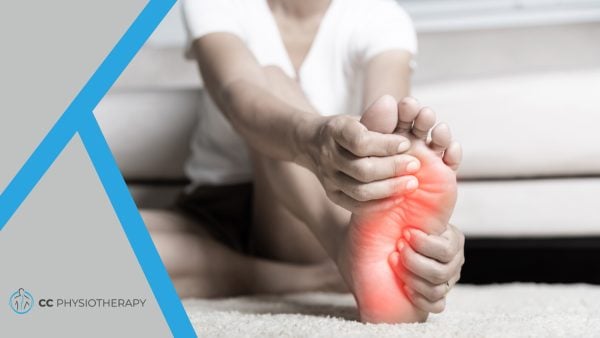
Inflammation in the plantar fascia, or thick band along the heel bone, can disrupt gait. Altered stride patterns contribute to hip issues and discomfort in other structures of the lower body.
Achilles tendonitis
Tension in the Achilles tendon affects calf muscles and ankle mobility. Reduced shock absorption creates abnormal movement patterns that reach the hip joint and knees.
Ankle pain
Limited ankle range of motion often forces compensatory movements in the hip muscles. This stress can lead to hip misalignment, chronic pain, and functional limitations during daily activities.
Signs That Foot Pain Is Causing Hip Issues
Hip pain related to foot problems often develops gradually. Symptoms may include:
- Persistent discomfort in the hip muscles during walking or standing for long periods
- Pain in the knee joint due to altered weight distribution
- Muscle weakness or tightness in the lower leg and calf muscles
- Increased tension along the Achilles tendon and plantar fascia
- Difficulty staying active or performing exercises without pain
Patients may notice that supportive footwear or arch support temporarily reduces stress, providing relief for both foot and hip discomfort. Identifying the root cause through careful assessment is critical for long-term pain relief.
How Clinicians Assess Foot-Driven Hip Pain
Physical therapists and healthcare providers examine foot posture, ankle mobility, and overall movement patterns. Observation of gait helps determine whether improper foot function is causing strain in the hips, knees, and lower leg. Strength testing of hip muscles and soft tissue evaluation identifies areas affected by abnormal load.
Functional movement assessments, such as squats, lunges, and balance exercises, reveal how the kinetic chain connects the feet, knees, and hips. Clinicians focus on common foot conditions, structural abnormalities, and improper footwear choices that may contribute to chronic pain.
Conservative Treatments for Foot-Related Hip Pain
Conservative treatments often provide significant relief without surgery. Proper footwear and supportive footwear with arch support improve alignment and reduce stress across the lower body. Custom orthotics designed to correct flat feet or high arches restore proper foot posture and prevent hip misalignment.
Physical therapy exercises strengthen foot muscles, calf muscles, and hip muscles to reduce the ripple effect of pain. Stretching the plantar fascia, Achilles tendon, and soft tissue in the lower leg improves flexibility and helps restore proper movement patterns. Gradually retraining movement helps distribute forces evenly throughout the entire body, minimizing stress on the hip joint.
Targeting the Hip and Lower Body
Addressing the hip directly through strength training and stretching complements foot-focused treatment. Hip muscles, quadriceps, gluteals, and soft tissues around the pelvis benefit from exercises aimed at reducing chronic pain. Correcting muscle weakness and improving joint mobility restores proper alignment throughout the kinetic chain, supporting pain-free movement.
Importance of Foot and Ankle Care
Maintaining foot and ankle health is crucial for preventing future hip pain. Patients are advised to check for early signs of foot issues such as plantar fasciitis, ankle pain, or uneven wear patterns in shoes. Using proper footwear and arch support during daily activity helps sustain alignment and reduces stress on hips and knees.
How Hip Osteoarthritis and Other Conditions Are Influenced
Hip osteoarthritis can be aggravated by abnormal foot function. Uneven weight distribution and altered movement patterns increase joint wear over time. Individuals with chronic pain in the hip or knee joint often benefit from interventions targeting foot alignment and overall lower leg support. Reducing strain along the kinetic chain can slow progression and improve mobility.
Conclusion:
Foot pain can directly cause hip pain through a chain reaction of altered movement patterns, uneven weight distribution, and abnormal joint alignment. Chronic pain often emerges when foot function is ignored, leading to discomfort in the hips, knees, and other joints. Conservative treatments, including supportive footwear, physical therapy, and targeted exercises, restore balance and reduce stress.
Attention to common foot conditions such as flat feet, high arches, plantar fasciitis, and Achilles tendonitis plays a vital role in preventing hip issues. Proper assessment of foot posture, muscle strength, and movement patterns helps identify the root cause of pain and informs effective treatment options. Patients who address both foot and hip care experience improved mobility, reduced pain, and enhanced well-being, allowing them to stay active and maintain long-term joint health with guidance from the CC Physiotherapy Clinic.